
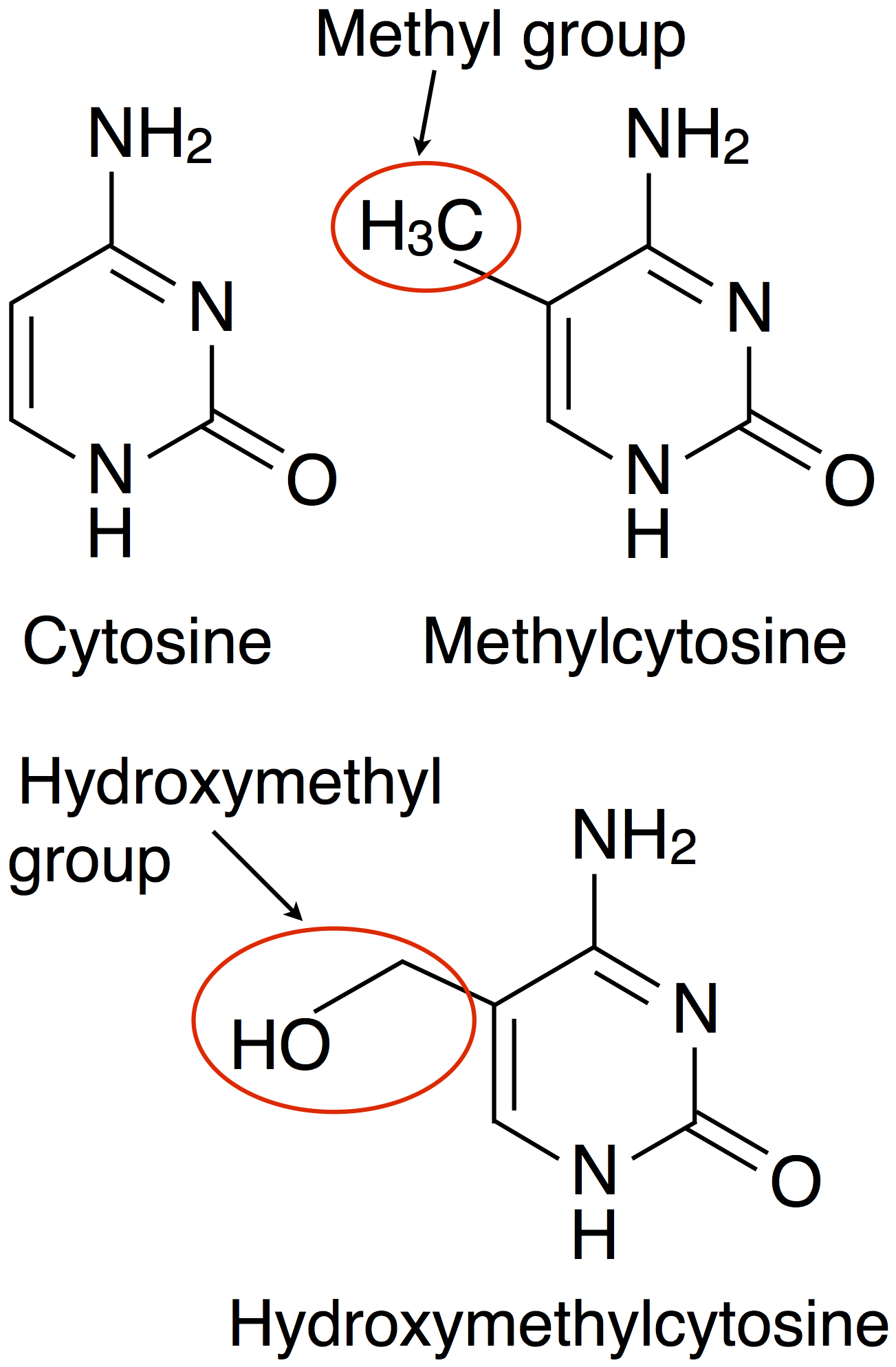
 DNA methylation plays an essential role in regulating cell growth and proliferation, and disease. Changes in aberrant DNA methylation are disease-specific, and, accordingly, the stage of disease progression can be anticipated. Aberrant forms of DNA methylation are recognized as biomarkers in various cancers. Thus, many research efforts recently focused on the detection of these epigenetics for both early cancer diagnoses and prognoses. Here, we provide the most important and relevant current developments while we discuss and assess the pros and cons of common detection strategies.
Review Article
K. J. Krause, K. Mathwig, B. Wolfrum and S. G. Lemay
Brownian motion in electrochemical nanodevices
The European Physical Journal Special Topics 223 (2014) 3156.
[pdf]
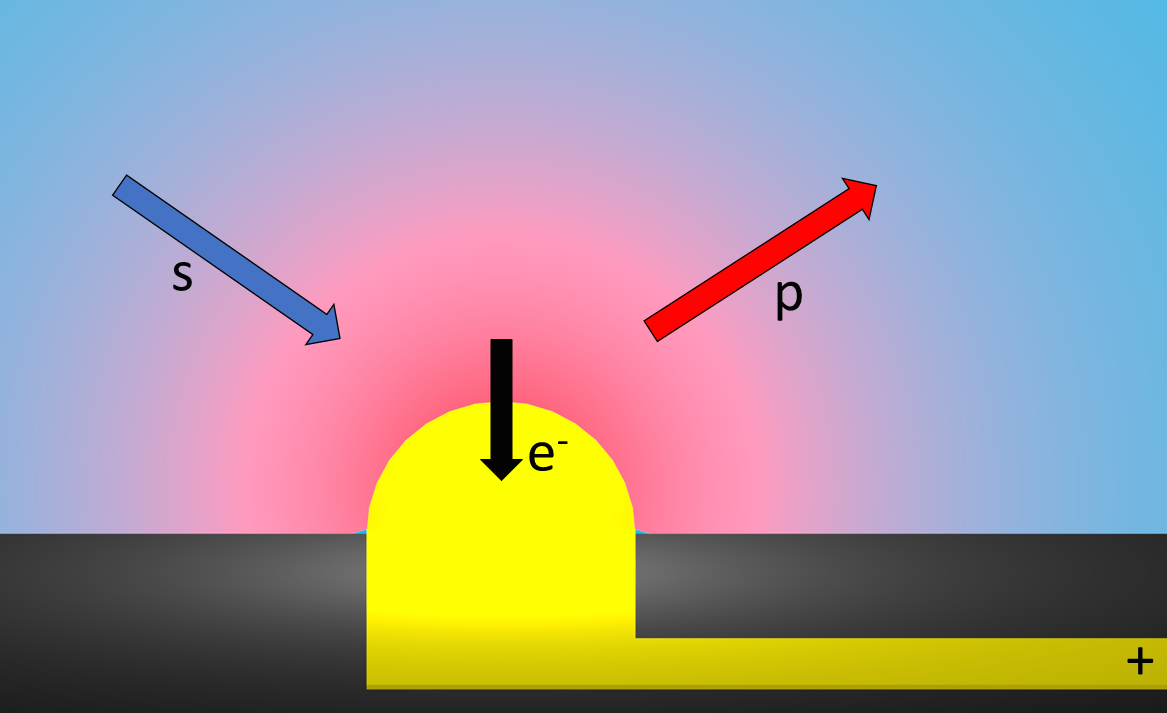 Diffusion dominates mass transport in most electrochemical systems. In classical experimental systems on the micrometer scale or larger, this is adequately described at the mean-field level. However, nanoscale detection devices are being developed in which a handful or even single molecules can be detected. Brownian dynamics become manifest in these systems via the associated fluctuations in electrochemical signals. Here we describe the state of the art of these electrochemical nanodevices, paying particular attention to the role of Brownian dynamics and emphasizing areas in which theoretical understanding remains limited.
Conference Proceedings
S. Sarkar, K. Mathwig, S. Kang, A. F. Nieuwenhuis and S. G. Lemay
Electrochemical Nanofluidic Assays in the Absence of Reference Electrode
Proceedings of the 18th International Conference on Miniaturized Systems for Chemistry and Life Science, San Antonio, USA, Oct. 26 – 30 (2014) 2122.
[pdf]
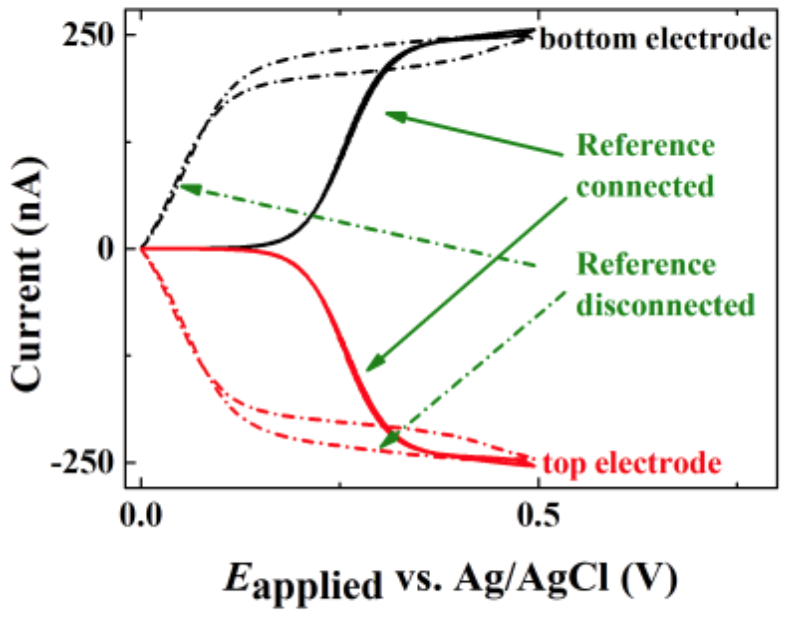 Implementing a reliable reference electrode in miniaturized electrochemical sensors is challenging. Here, we present an alternative approach, based on redox cycling within a nanogap sensor consisting of two parallel electrodes, in which the reference electrode is omitted altogether. We show that on disconnection of the reference electrode, the solution potential floats to a certain value, which is explored theoretically and experimentally in order to quantitatively predict the potential. The obtained results are in good agreement with the theoretically reconstituted results.
Hello Groningen
 Good news. I just started a new position in the Pharmaceutical Analysis Group at the University of Groningen in the Netherlands.
Here I am going to focus my research on nanofluidic and microfluidic tools for analytical chemistry. Using microfabrication I plan to develop new devices which combine electrochemistry and optical sensing at the nanoscale.
Journal Article
S. Sarkar, K. Mathwig, S. Kang, A. F. Nieuwenhuis and S. G. Lemay
Redox Cycling Without Reference Electrode
Analyst 139 (2014) 6052.
[pdf]
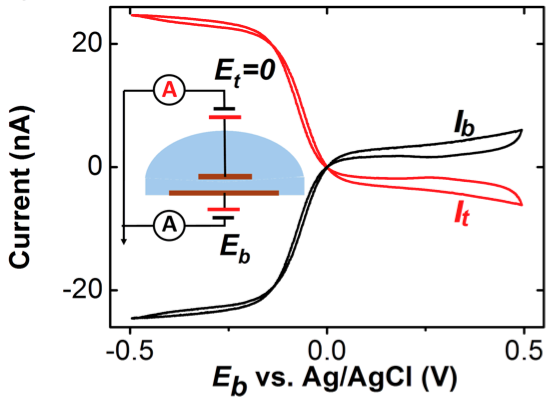 The reference electrode is a key component in electrochemical measurements, yet it remains a challenge to implement a reliable reference electrode in miniaturized electrochemical sensors. Here we explore experimentally and theoretically an alternative approach based on redox cycling which eliminates the reference electrode altogether. We show that shifts in the solution potential caused by the lack of reference can be understood quantitatively, and determine the requirements for accurate measurements in miniaturized systems in the absence of a reference electrode.
Journal Article
L. Rassaei, K. Mathwig, S. Kang, H. A. Heering and S. G. Lemay
Integrated Biodetection in a Nanofluidic Device
ACS Nano 8 (2014) 8278.
[pdf]
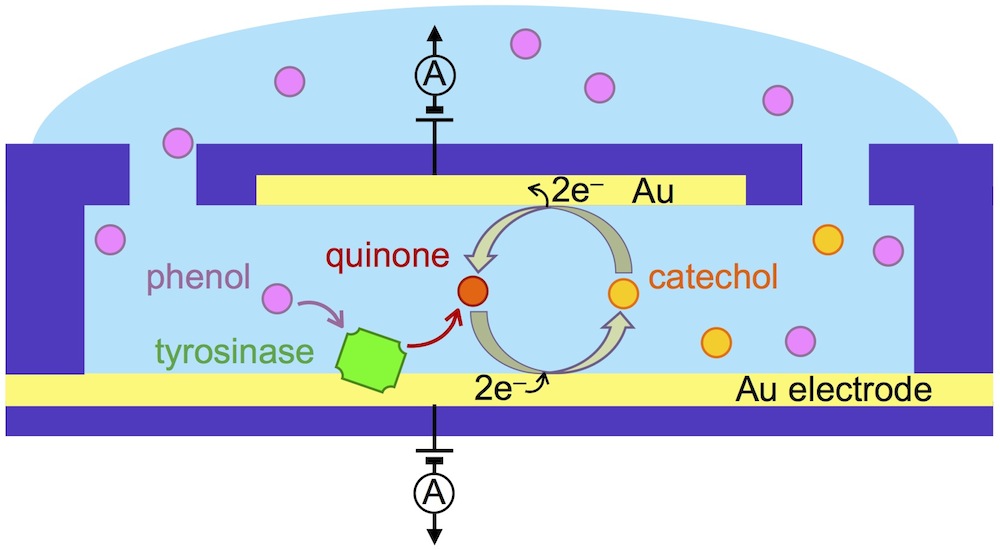 The sensing of enzymatic processes in volumes at or below the scale of single cells is challenging but highly desirable in the study of biochemical processes. Here we demonstrate a nanofluidic device which combines an enzymatic recognition element and electrochemical signal transduction within a six femtoliter volume. Our approach is based on localized immobilization of the enzyme tyrosinase in a microfabricated nanogap electrochemical transducer. The enzymatic reaction product quinone is localized in the confined space of a nanochannel in which efficient redox cycling also takes place. Thus the sensor allows the sensitive detection of minute amounts of product molecules generated by the enzyme in real time. This method is ideally suited for the study of ultra-small volume systems such as the contents of individual biological cells or organelles.
Review Article
K. Mathwig, T. J. Aartsma, G. W. Canters and S. G. Lemay
Nanoscale Methods for Single-Molecule Electrochemistry
Annual Review of Analytical Chemistry 7 (2014) 383.
[pdf]
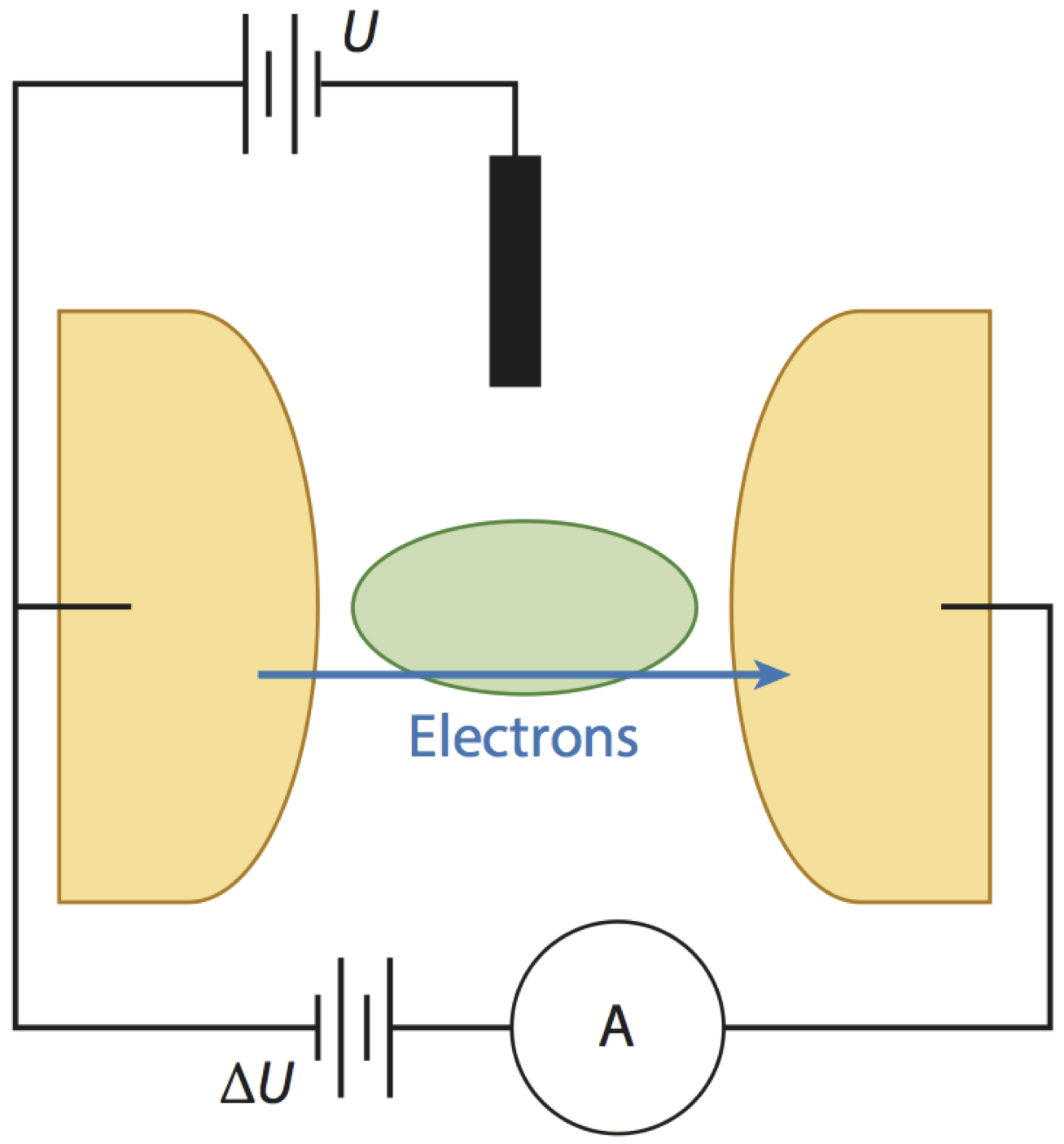 The development of experiments capable of probing individual molecules has led to major breakthroughs in fields ranging from molecular electronics to biophysics, allowing direct tests of knowledge derived from macroscopic measurements and enabling new assays that probe population heterogeneities and internal molecular dynamics. Although still partly in their infancy, such methods are also being developed for probing molecular systems in solution using electrochemical transduction mechanisms. Here we outline the present status of this emerging field, concentrating in particular on optical methods, metal molecule metal junctions, and electrochemical nanofluidic devices.
Journal Article
E. Kätelhön, K. J. Krause, K. Mathwig, S. G. Lemay and B. Wolfrum
Noise Phenomena Caused by Reversible Adsorption in Nanoscale Electrochemical Devices
ACS Nano 8 (2014) 4924.
[pdf]
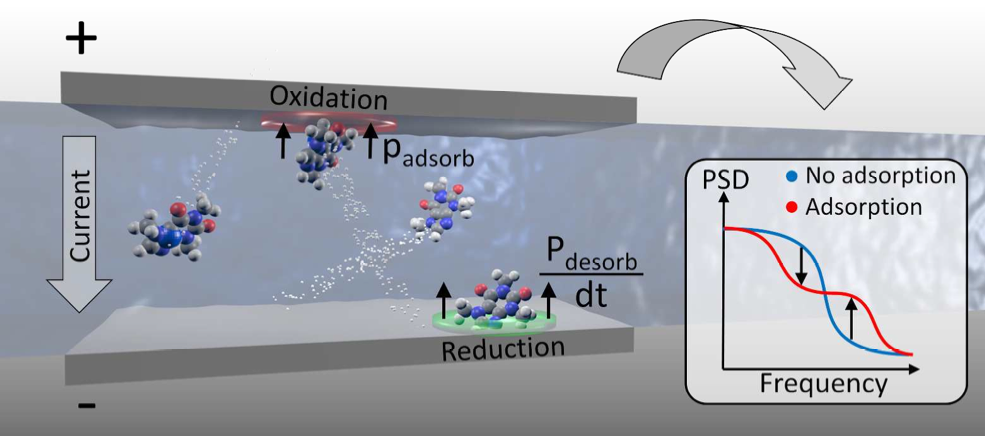 We theoretically investigate reversible adsorption in electrochemical devices on a molecular level. To this end, a computational framework is introduced, which is based on 3D random walks including probabilities for adsorption and desorption events at surfaces. We demonstrate that this approach can be used to investigate adsorption phenomena in electrochemical sensors by analyzing experimental noise spectra of a nanofluidic redox cycling device. The evaluation of simulated and experimental results reveals an upper limit for the average adsorption time of ferrocene dimethanol of ~200 μs. We apply our model to predict current noise spectra of further electrochemical experiments based on interdigitated arrays and scanning electrochemical microscopy. Since the spectra strongly depend on the molecular adsorption characteristics of the detected analyte, we can suggest key indicators of adsorption phenomena in noise spectroscopy depending on the geometric aspect of the experimental setup.
Hello Chemnitz
 I just moved to Chemnitz and joined the IFW Dresden, which is the Leibniz-Institut für Festkörper und Werkstoffforschung Dresden. I will be working in Oliver Schmidt’s Institute for Integrative Nanosciences, not in Dresden though, but at the Institute’s research site at the Chemnitz University of Technology. Here I will continue research on nanofluidic systems.
Journal Article
D. Mampallil, K. Mathwig, S. Kang and S. G. Lemay
Reversible Adsorption of Outer-Sphere Redox Molecules at Pt Electrodes
The Journal of Physical Chemistry Letters 5 (2014) 636.
[pdf]
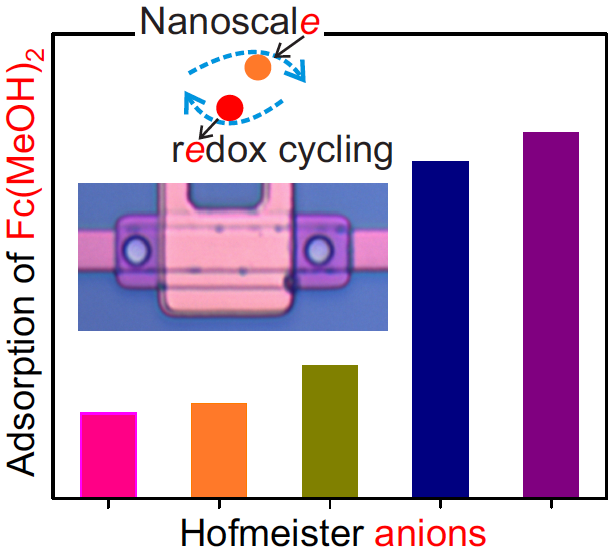 Adsorption often dominates the response of nanofluidic systems due to their high surface-to-volume ratios. Here we harness this sensitivity to investigate the reversible adsorption of outer-sphere redox species at electrodes, a phenomenon that is easily overlooked in bulk measurements. We find that, even though adsorption does not necessarily play a role in the electron-transfer process, such adsorption is nevertheless ubiquitous for the widely used outer-sphere species. We investigate the physical factors driving adsorption and find that this counter-intuitive behavior is mediated by the anionic species in the supporting electrolyte, closely following the well-known Hofmeister series. Our results provide foundations both for theoretical studies of the underlying mechanisms and for contriving strategies to control adsorption in micro/nanoscale electrochemical transducers where surface effects are dominant.

